

Solar Panel Repair in Tucson, AZ
29+ Years Diagnosing & Repairing Solar Systems Across Southern Arizona
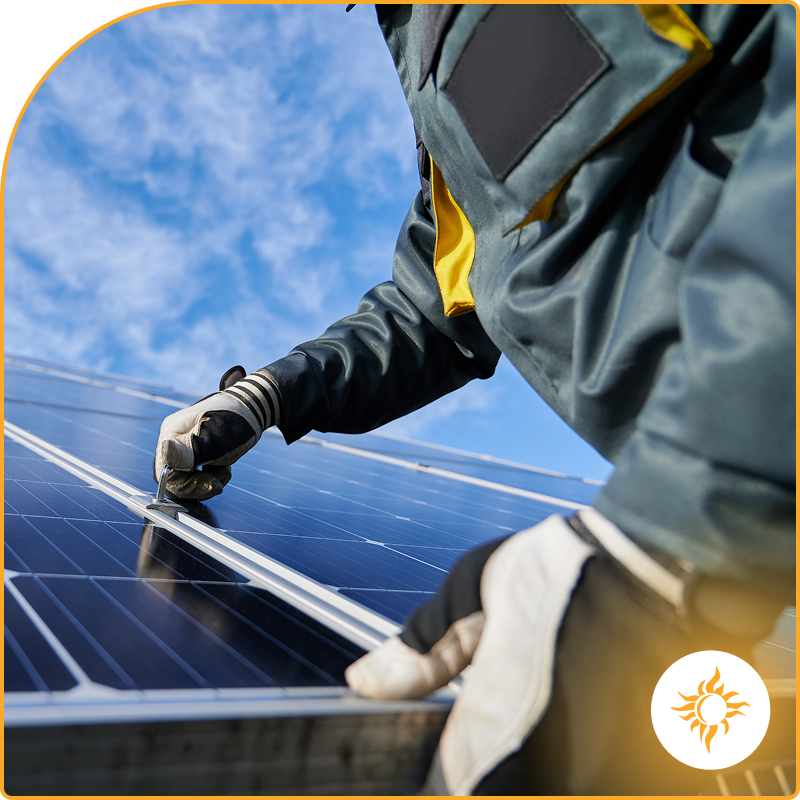
A solar system that isn’t producing can cost you money every sunny day it sits idle. The Solar Store has been repairing solar systems in Tucson for 29+ years, and our team brings over 60 years of combined hands-on experience to every diagnostic visit. We repair systems from all manufacturers and all eras, including solar arrays whose original installer is no longer in business. Our team includes NABCEP-certified technicians, an Enphase Gold Installer credential for micro-inverter systems, and a registered professional engineer with 26 years of experience. Free estimates are available for grid-tie solar electric systems, and flexible financing is available when repairs are larger than expected.
Tucson’s combination of intense UV exposure, monsoon-season storms, and dramatic day-to-night temperature swings puts consistent mechanical and thermal stress on photovoltaic systems. Downtime here isn’t a minor inconvenience. With Southern Arizona’s sun exposure, every day a system underperforms can directly reduce the utility savings your investment was designed to deliver. Our repair team responds quickly, communicates clearly, and respects your property throughout every visit.
Ready to restore your system’s performance? Call us at (520) 341-2286 or fill out our online form for a free estimate.
Key Signs Your Solar Panels Need Repair
Tucson’s heat, monsoons, and dust put constant stress on photovoltaic systems. Problems often develop gradually, without any obvious sign from the ground. Monitoring your output and watching for physical wear are the fastest ways to catch issues before they turn into costly failures.
- Unexpected Drop in Energy Output: A noticeable, sustained decrease in electricity generation on clear days is the most telling sign of trouble. It typically points to a component failure, a loose connection, or damage to one or more panels.
- Inverter Error Messages: If your inverter shows a continuous error code, flashing red lights, or shuts down entirely, the DC-to-AC conversion process has been interrupted, and the system needs immediate professional attention.
- Visible Physical Damage: Cracked or shattered glass, hairline fractures, and rust around panel edges can all allow moisture intrusion, leading to corrosion and electrical failure. Wind-blown debris during monsoon storms is a common cause.
- Discoloration or Burn Marks: Browning, yellowing, or localized dark spots on solar cells, commonly called “hotspots,” indicate overheating or diode failure. Left unaddressed, these are a potential fire hazard.
- Sustained Higher Utility Bills: A significant increase in your monthly electricity bill without any change in consumption habits signals that your system may be failing to offset energy use as designed. This is often the first sign of a hidden defect or wiring issue.
If you notice any of these warning signs, don’t wait. Catching problems like microcracks or inverter faults early can help keep your system performing and protect the savings your investment was built to deliver.

3 Simple Steps to Get Started

Frequently Asked Questions
How Long Does a Typical Solar Panel Repair Take?
Repair time depends on the issue. Simple fixes, such as replacing a faulty micro-inverter or securing loose wiring, can often be completed in a few hours. More complex repairs involving major component replacement, extensive electrical diagnostics, or roof work may take a full day or stretch over several days if a specialized part needs to be ordered. Your technician can give you a time estimate after completing the initial on-site diagnosis.
What Causes Solar Panels to Fail?
Solar panels are built to last, but several factors cause failure over time. The most common is microcrack development within the silicon cells, typically the result of mechanical stress, high winds, or thermal expansion from Tucson’s intense temperature swings. Severe weather, including hail or wind-blown debris, can physically crack panel glass and expose internal components to moisture. Inverter faults and wiring failures are also frequent culprits, interrupting electricity flow and effectively shutting down the system’s output.
Hear From Our Customers
-
For people "starting from zero" this was a huge help to us.
“Katharine - Thanks to you and the team for getting our solar set up promptly and professionally. I don't have enough good things to say about Kevin, the teams who conducted the installations, and your own involvement. All our friends who got solar done (or tried) have horror stories about scams and unprofessional behavior; it put us off from trying this for a while. We were at first relieved and then very happy. Everyone we interacted with was friendly, professional and knowledgeable about the process, technology and government requirements. For people "starting from zero" this was a huge help to us.”- JDC





-
Technically speaking in the solar electric realm, a module is a complete, environmentally-protected unit. A panel is a collection of modules that are mechanically fastened together. For solar thermal, the individual component is called a collector.
-
Silicon and rare metals such as gallium, indium, and selenium. The frames are made of extruded aluminum. The glazing is tempered low iron glass.
-
Estimates are free for grid-tie solar electric and solar thermal systems. There is a nominal charge for estimates for landscape lighting, radiant floor heating, and off-grid solar systems. Typically 50% of the fee is applied toward the final purchase.
-
Typical systems weigh 3 ½ to 4 pounds per square foot. Most structures built since 1930 can easily support the weight.
-
It stands for photovoltaic.